Nausea After Quitting Weed
Last updated: January 31, 2026
Stomach upset, queasiness, and occasional vomiting after quitting cannabis reflect your GI tract readjusting to functioning without cannabinoid input.
20-30% of people quitting cannabis
Peaks day 4
~Peaks day 14
Recovery Timeline
| Metric | Value |
|---|---|
| Prevalence among quitters | 20-30% of people quitting cannabis |
| Typical onset | Day 1 |
| Peak intensity | Day 4 |
| Expected resolution | ~Day 14 |
| Total duration | 13 days (approximate) |
Your stomach is churning. The idea of food is repulsive. You might be dry heaving or actually vomiting. For something that’s literally prescribed as an anti-nausea medication, cannabis withdrawal causing nausea feels deeply ironic — but there’s a clear biological explanation.
Why Quitting Weed Causes Nausea
Your gastrointestinal tract has its own endocannabinoid system. CB1 receptors are dense throughout your stomach, intestines, and the vagus nerve (which connects your gut to your brain). These receptors regulate:
- Gastric motility (how fast food moves through your system)
- Gastric acid secretion (how much acid your stomach produces)
- Nausea signals (via the area postrema in the brainstem)
- The gut-brain axis (bidirectional communication between your gut and brain)
THC acts as a powerful anti-emetic (anti-nausea agent) by activating CB1 receptors in the brainstem. With regular use, your body relies on THC for GI regulation. When it’s removed, your digestive system overcorrects: increased gastric acid, disrupted motility, and amplified nausea signals.
Additionally, withdrawal anxiety amplifies GI symptoms through the gut-brain axis. Anxiety directly increases gastric acid production and gut inflammation. The two symptoms feed each other.
When Does It Start, Peak, and End?
- Onset: Day 1–2. Nausea appears early, often alongside loss of appetite.
- Peak: Days 2–5. Most intense during the acute withdrawal phase.
- Improvement: Days 5–7. Nausea begins subsiding as GI CB1 receptors start recalibrating.
- Resolution: Days 10–14 for most people. One of the shorter-lived symptoms.
Important distinction: If you’re experiencing severe, cyclical vomiting that’s been happening while using cannabis (not just after quitting), you may have Cannabinoid Hyperemesis Syndrome (CHS). CHS actually improves with quitting, but the acute phase can be severe. Seek medical attention if vomiting is uncontrollable.
What Actually Helps
1. Ginger (Strong Evidence)
Ginger is one of the most well-studied natural anti-emetics. It works by blocking 5-HT3 serotonin receptors in the gut (the same mechanism as ondansetron/Zofran). Fresh ginger tea, ginger chews, crystallized ginger, or ginger capsules (250mg every 6 hours) provide measurable relief.
2. Small, Frequent Meals
An empty stomach worsens nausea (excess acid with nothing to digest). Eat small amounts every 2–3 hours rather than attempting full meals. Crackers, dry toast, and bananas are well-tolerated starting points.
3. Peppermint
Peppermint tea or peppermint oil capsules (enteric-coated) reduce nausea and GI discomfort by relaxing the smooth muscle of the GI tract. Well-evidenced for IBS and nausea of various causes.
4. Stay Upright After Eating
Don’t lie down for at least 30 minutes after eating. Gravity helps keep stomach acid where it belongs. If nausea is worst at night, elevate the head of your bed slightly.
5. Avoid Trigger Foods
During the acute phase, avoid greasy, spicy, acidic, or heavily seasoned foods. These stimulate gastric acid and can trigger vomiting. Stick to bland foods and gradually reintroduce variety as nausea improves.
6. Hydration
If you’re vomiting, you’re losing fluids and electrolytes. Sip (don’t gulp) water, diluted sports drinks, or oral rehydration solution throughout the day. Small, frequent sips are better tolerated than large amounts at once.
When to Seek Professional Help
- You cannot keep any fluids down for more than 12 hours
- You’re showing signs of dehydration (dark urine, dizziness, rapid heartbeat)
- Vomiting contains blood or looks like coffee grounds
- Severe abdominal pain accompanies the nausea
- Nausea persists beyond 3 weeks
SAMHSA National Helpline: 1-800-662-4357 (free, confidential, 24/7)
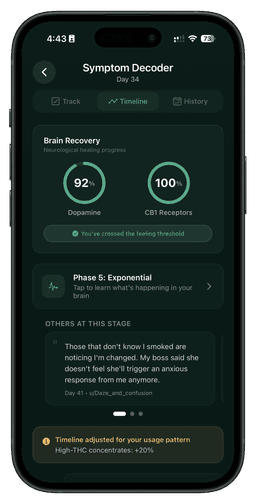
Track your progress
See your brain healing in real time
Klar tracks 47 withdrawal symptoms and visualizes your dopamine and CB1 receptor recovery day by day.
Related Symptoms
Medical Disclaimer: This content is for informational purposes only and does not constitute medical advice, diagnosis, or treatment. Always consult a qualified healthcare provider for medical guidance. If you are in crisis, call 988 (Suicide & Crisis Lifeline) or text HOME to 741741.