Muscle Tension After Quitting Weed: Why Your Body Is Tight
Last updated: January 31, 2026
Physical tightness, aches, and muscle pain during cannabis withdrawal from autonomic nervous system hyperactivity.
20-35%
Peaks day 7
~Peaks day 21
Recovery Timeline
| Metric | Value |
|---|---|
| Prevalence among quitters | 20-35% |
| Typical onset | Day 2 |
| Peak intensity | Day 7 |
| Expected resolution | ~Day 21 |
| Total duration | 19 days (approximate) |
Your shoulders are up by your ears. Your jaw is clenched. Your back aches without any obvious cause. Cannabis is a muscle relaxant, and your body is now without its artificial relaxation agent.
Why It Happens
THC activates CB1 receptors in muscle tissue and the spinal cord, reducing muscle tone and pain signaling. It is literally prescribed as a muscle relaxant in some medical cannabis programs. When you quit:
- Muscle tone increases: Without THC’s relaxant effect, baseline muscle tension rises.
- Pain sensitivity increases: Your endocannabinoid system modulates pain. With downregulated CB1 receptors, pain signals are amplified.
- Stress response: Withdrawal-driven cortisol and norepinephrine elevations cause physical bracing — your body literally tenses up in response to the neurochemical stress state.
Timeline
- Onset: Days 2–4
- Peak: Days 5–10
- Resolution: Days 14–21 as the ECS and stress hormones normalize
What Helps
1. Stretching and Yoga
Gentle stretching directly reduces muscle tension and activates the parasympathetic nervous system. Even 10 minutes of targeted stretching (neck, shoulders, hips, jaw) provides noticeable relief.
2. Magnesium
Magnesium is a natural muscle relaxant. Many people are deficient. Magnesium glycinate (200–400mg before bed) can reduce muscle tension and improve sleep quality simultaneously. Epsom salt baths provide topical magnesium absorption.
3. Heat Therapy
Hot baths, heating pads, or warm compresses relax tight muscles and reduce pain signaling. Heat also promotes blood flow to tight areas, supporting recovery.
4. Jaw Awareness
Many people clench their jaw unconsciously during withdrawal. Place your tongue on the roof of your mouth with teeth slightly apart — this position makes clenching physically difficult. Set reminders to check throughout the day.
When to Seek Help
- Severe, persistent pain that does not respond to self-care
- Muscle spasms or tremors
- Pain is localized to the chest (rule out cardiac issues)
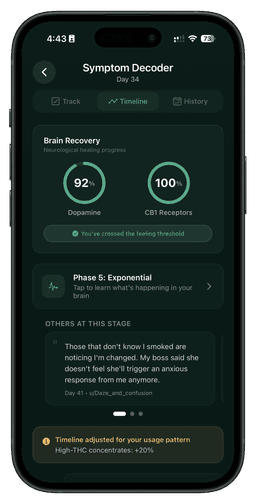
Track your progress
See your brain healing in real time
Klar tracks 47 withdrawal symptoms and visualizes your dopamine and CB1 receptor recovery day by day.
Related Symptoms
Related Timeline
Medical Disclaimer: This content is for informational purposes only and does not constitute medical advice, diagnosis, or treatment. Always consult a qualified healthcare provider for medical guidance. If you are in crisis, call 988 (Suicide & Crisis Lifeline) or text HOME to 741741.